
How to Find and Fix a Pond Leak

February 2, 2026

Share this article

A leaking pond is concerning, but most leaks can be found and fixed with a clear, step-by-step approach. Use the checks below to identify where the water is escaping and what to do next.


1. Turn off the pumps

Start by turning off the pumps for twenty-four hours. If the water continues to drop during this time, the leak is likely in the pond itself. Allow the water level to fall until it stabilises. The leak usually sits along that line. If the water drops very low, move fish into a temporary holding pool. Check the pond edging for low spots. If everything looks correct, the liner may have a puncture.


2. Run the waterfall or fountain

If the water level does not drop with the pumps off, the leak may be in the waterfall or fountain. Measure the water level before switching the system back on. Run the feature and recheck the level over several hours. The change in level helps show how severe the leak is and where to focus next.


3. Check the edges

While the waterfall is running, expose the liner edges and look closely for water escaping over the sides. Wet soil or damp patches often indicate a low edge. More than one low edge is possible, so check the entire feature. Once corrected, monitor the water level to confirm the issue is resolved.


4. Check the hose line

If the waterfall edges are sound, inspect the hose and fittings. Loose connections are a common cause of slow leaks. Make sure fittings are secure and check the hose for cracks or damage, as temperature changes can weaken certain materials.


5. Fix the leak

If you find a puncture, use a liner repair kit on the damaged area. Make sure the surface is clean and fully dry before applying the patch. If the liner has more than two damaged areas, it is usually best to reline the pond to prevent further leaks in the future.

Recent Posts

February 2, 2026
Your living eco-system through the seasons Let’s guide you through the journey of the seasons with your eco pond. Your pond is a living ecosystem that cycles naturally through periods of growth, activity, and rest throughout the year. By understanding how temperature and sunlight affect your water feature, you can perform small, consistent maintenance steps. This keeps your pond balanced and beautiful, ensuring enjoyment for you and health for all its inhabitants.
February 2, 2026
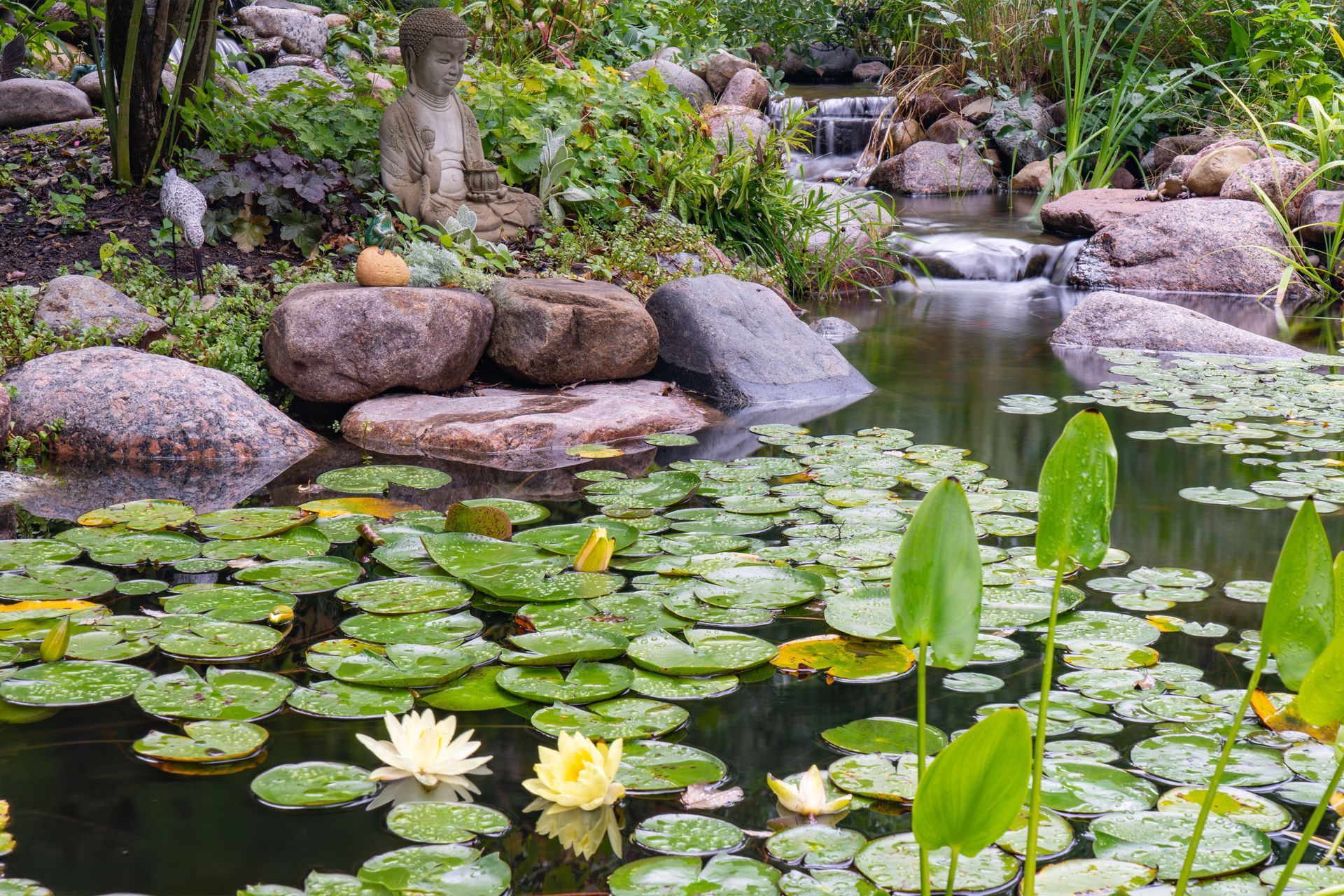
Plants are one of the most important parts of a pond ecosystem. They remove excess nutrients, offer protection for wildlife and help create a natural, balanced environment. Here is a guide to the main types of pond plants and some of the best species to consider.
February 2, 2026
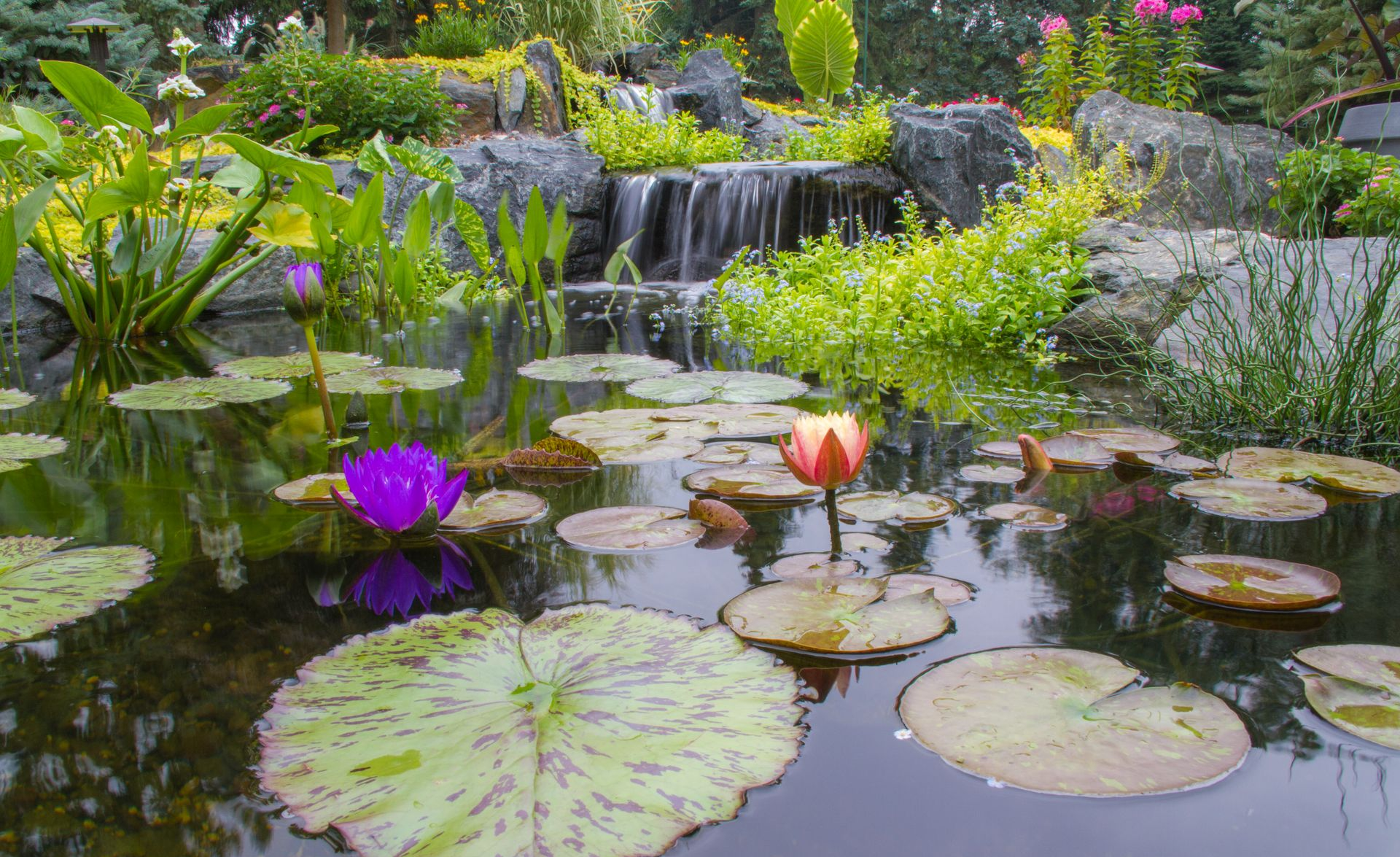
Looking after a pond doesn’t need to be complicated. With a little consistency and a few simple habits, you can keep your water clear, your plants thriving and your wildlife happy all year round. Here are the key things every pond owner should keep an eye on. 
February 2, 2026
From Celebrities to Family Gardens Across the UK Something interesting is happening across gardens in East Anglia and the UK. More homeowners are turning away from traditional chlorine pools and choosing natural swim ponds and eco-ponds. What started as a niche eco-friendly idea has become a mainstream design trend, and even celebrities are in on the act! Let’s find out more about this new craze.