
The Amazing New Swim Pond Craze

February 2, 2026

Share this article

From Celebrities to Family Gardens Across the UK


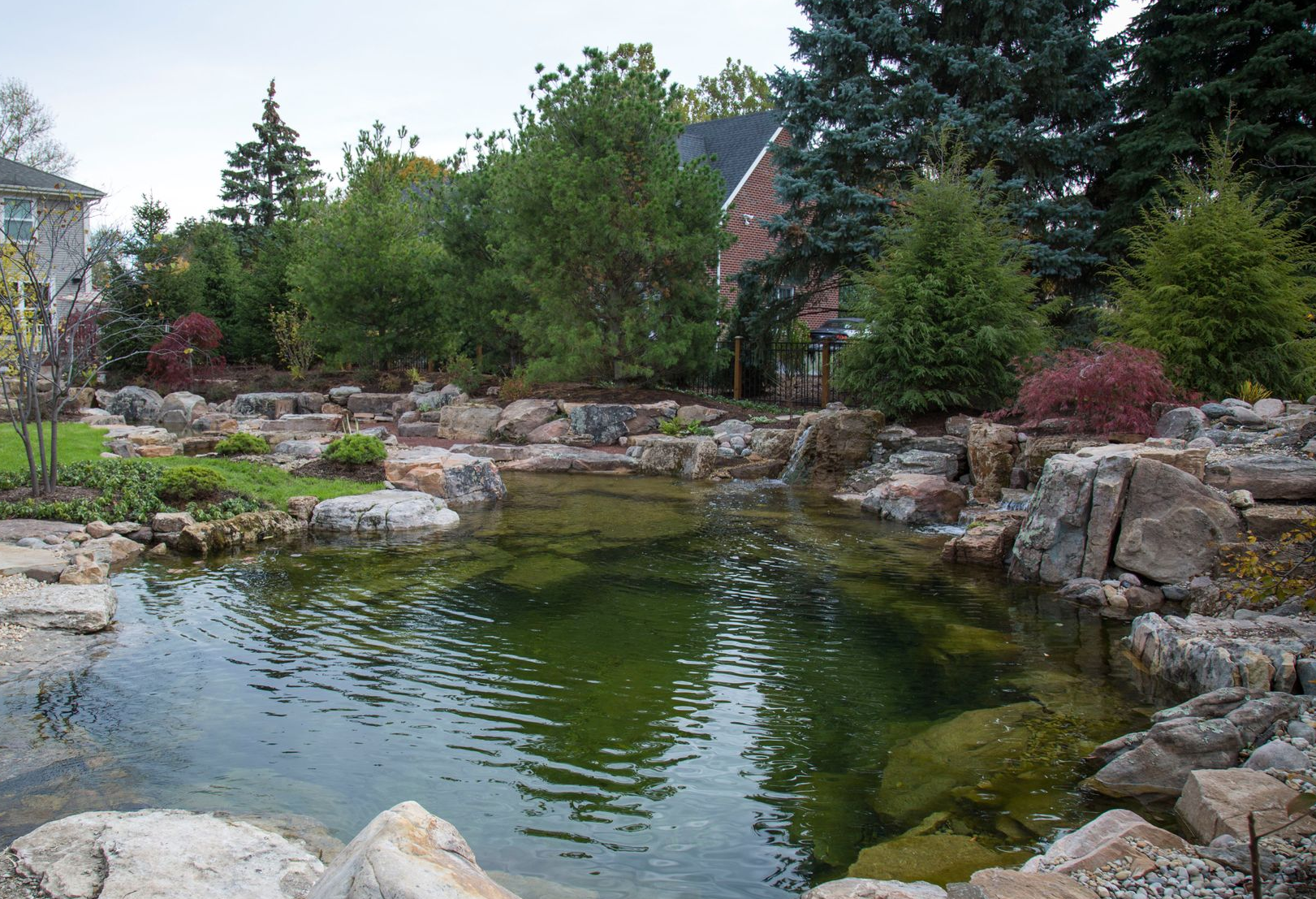
Something interesting is happening across gardens in East Anglia and the UK. More homeowners are turning away from traditional chlorine pools and choosing natural swim ponds and eco-ponds. What started as a niche eco-friendly idea has become a mainstream design trend, and even celebrities are in on the act! Let’s find out more about this new craze. 


Why Swim Ponds Are Taking Off


A lot of people are simply tired of the hassle of standard pools; chemical smells, constant maintenance, endless balancing of pH levels and equipment that is always running in the background. A natural swim pond removes all of that. The water stays clear because plants, gravel and beneficial bacteria do the filtration, not chlorine. The result is soft, comfortable water that never stings the eyes or dries the skin.


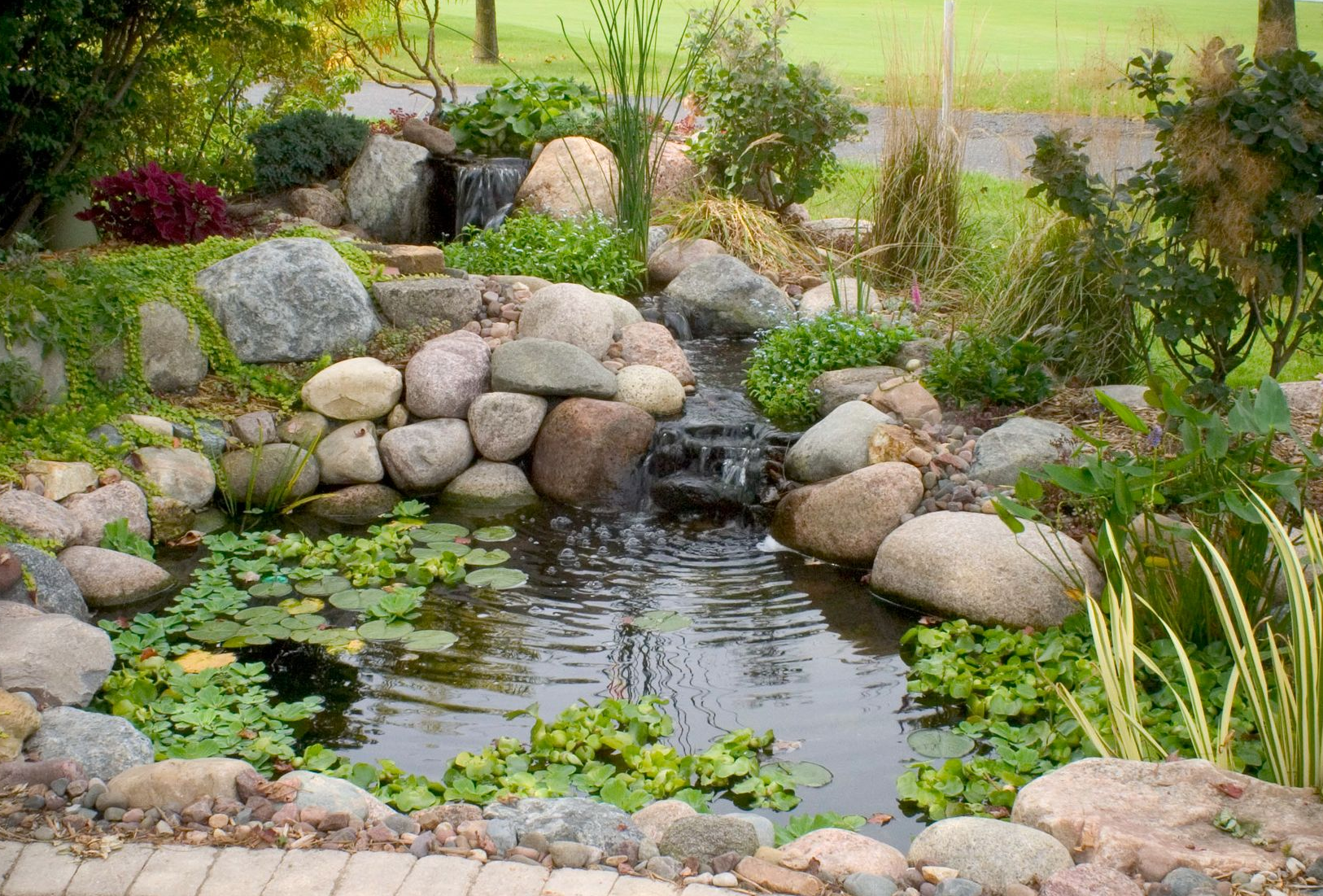
The other big surprise for new owners is the wildlife. Within weeks, ponds usually attract frogs, dragonflies, birds and butterflies. A space that once felt sterile becomes a lively part of the garden again. And while a traditional pool sits unused for half the year, a swim pond looks impressive through every season.

Pool-to-Pond Conversions


Many homeowners aren’t starting from scratch. Instead, they’re converting old pools into modern eco ponds. The advantages are immediate. Water clarity improves, algae becomes easier to manage, energy use drops and the entire space changes from a maintenance burden into a natural focal point.

Why a Swim Pond Beats a Chlorinated Pool


The difference in day-to-day experience is huge. Natural swimming feels smoother, cleaner and far more pleasant than anything a chemical system can offer. There’s no heavy chlorine smell, no irritated skin and no constant cycle of testing and rebalancing. The whole system is simpler because it relies on biology instead of machinery. Plants and beneficial bacteria do the heavy lifting, so pumps work less and running costs fall noticeably.


A swim pond also changes how the garden looks. Standard pools tend to stand out as artificial features, while a natural pond blends in and often becomes the strongest visual element in the entire garden. It adds value, character and year-round interest instead of disappearing under a winter cover.

The Eco-Technology Behind Natural Swim Ponds


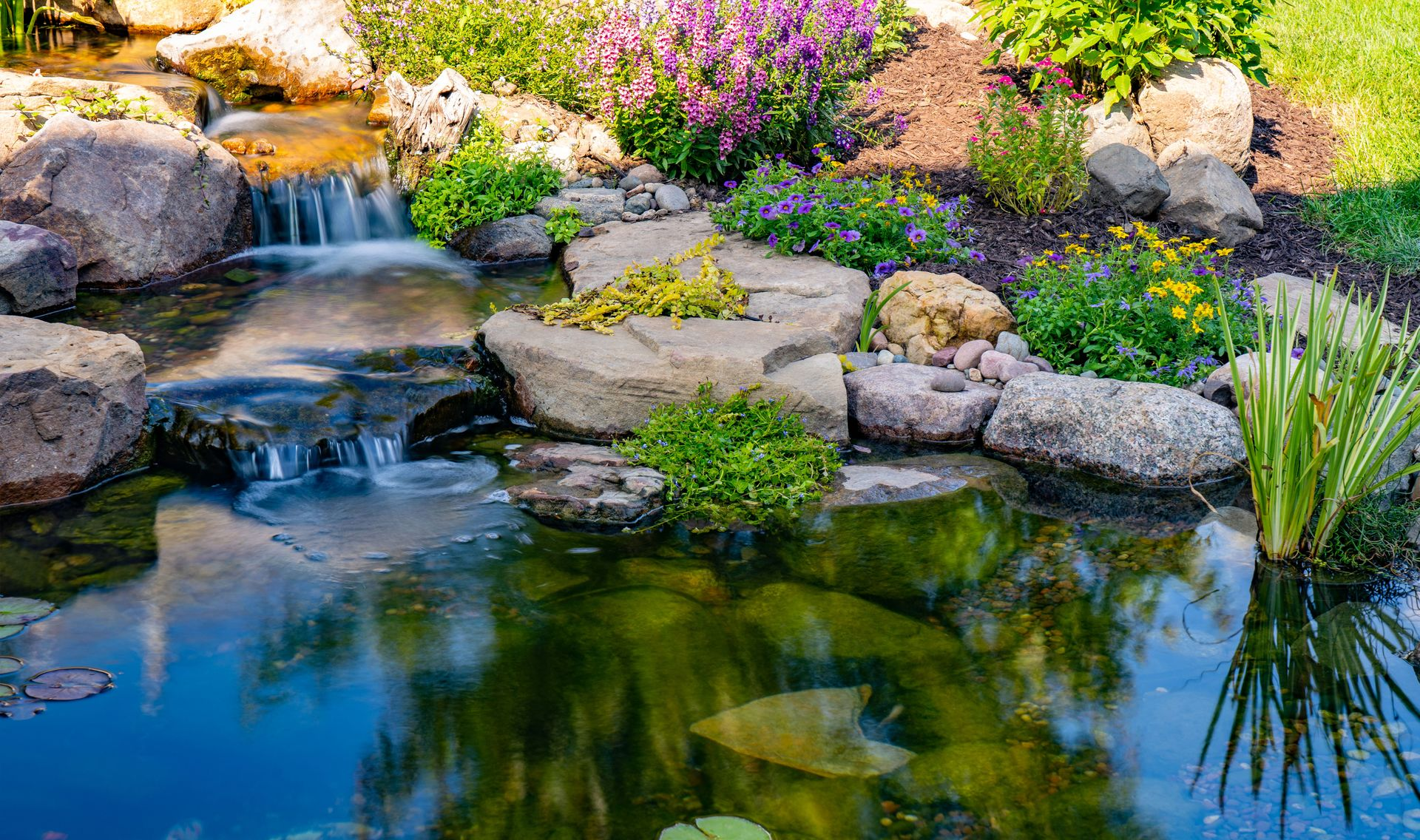
At the core of every natural swim pond is the regeneration zone. This planted area works like a living filter, with water moving slowly through layers of gravel and root systems. Beneficial bacteria settle in, algae are controlled naturally, and clarity improves without chemicals. 


Today’s systems use low-energy pumps, discreet pipework and durable liners designed to last decades. Advanced solutions like the Aquascape Wetland Filtration System have pushed the industry forward and made large Natural Swimming Ponds as reliable as traditional pools. Because these systems scale so easily, swim ponds now appear in compact gardens, countryside properties and even in conversions where the original pool shell is reused.

Celebrities with Swim Ponds

High-profile figures are also getting involved. The move toward chemical-free swimming has reached high-profile homes across the world.

Ed Sheeran built a wildlife pond at his Suffolk estate to support biodiversity and provide a private natural swimming space.


David and Victoria Beckham gained approval for a natural eco pool at their Cotswolds home with planting zones designed to protect local wildlife.


Jeff Bridges chose a pond-shaped natural pool in Montecito with boulders and a stream to match the local landscape.


On Grand Designs, “The Water Shed” placed a dramatic natural swimming pond at the centre of the entire build.


Eco-entrepreneur Sophie Kovic built a DIY natural pool for her off-grid home, proving this concept works at any scale.

The Future of Swimming in the UK


Natural swim ponds fit perfectly with the direction UK homeowners are already moving toward. Rising energy costs make traditional pools increasingly expensive to run. Planning departments focus more on biodiversity and outdoor habitats. And more landscapers are now training in ecosystem pond construction, making these systems accessible.


For many families, a swim pond becomes more than a place to cool off. It becomes a long-lasting, year-round feature that improves the landscape, supports wildlife and makes the garden feel calmer and more connected to nature.

The Last Word


Natural swimming ponds are transforming how people think about outdoor living in the UK. They offer cleaner water, lower running costs and a more natural connection to the landscape than any standard pool can match. With growing interest from homeowners, designers and celebrities, swim ponds are set to remain one of the most desirable garden features for years to come.


Build your corner of paradise!


Recent Posts

February 2, 2026
Your living eco-system through the seasons Let’s guide you through the journey of the seasons with your eco pond. Your pond is a living ecosystem that cycles naturally through periods of growth, activity, and rest throughout the year. By understanding how temperature and sunlight affect your water feature, you can perform small, consistent maintenance steps. This keeps your pond balanced and beautiful, ensuring enjoyment for you and health for all its inhabitants.
February 2, 2026
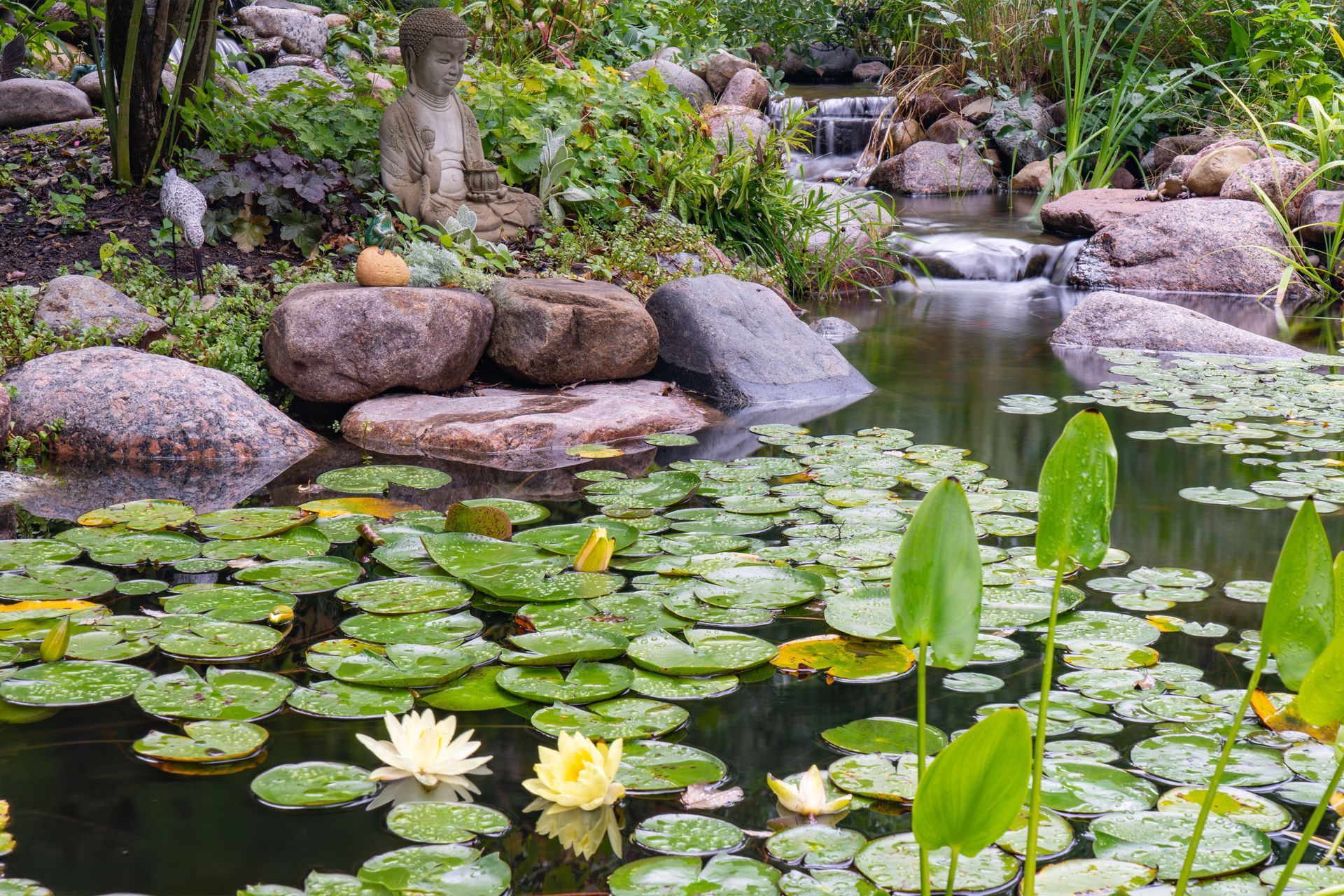
Plants are one of the most important parts of a pond ecosystem. They remove excess nutrients, offer protection for wildlife and help create a natural, balanced environment. Here is a guide to the main types of pond plants and some of the best species to consider.
February 2, 2026
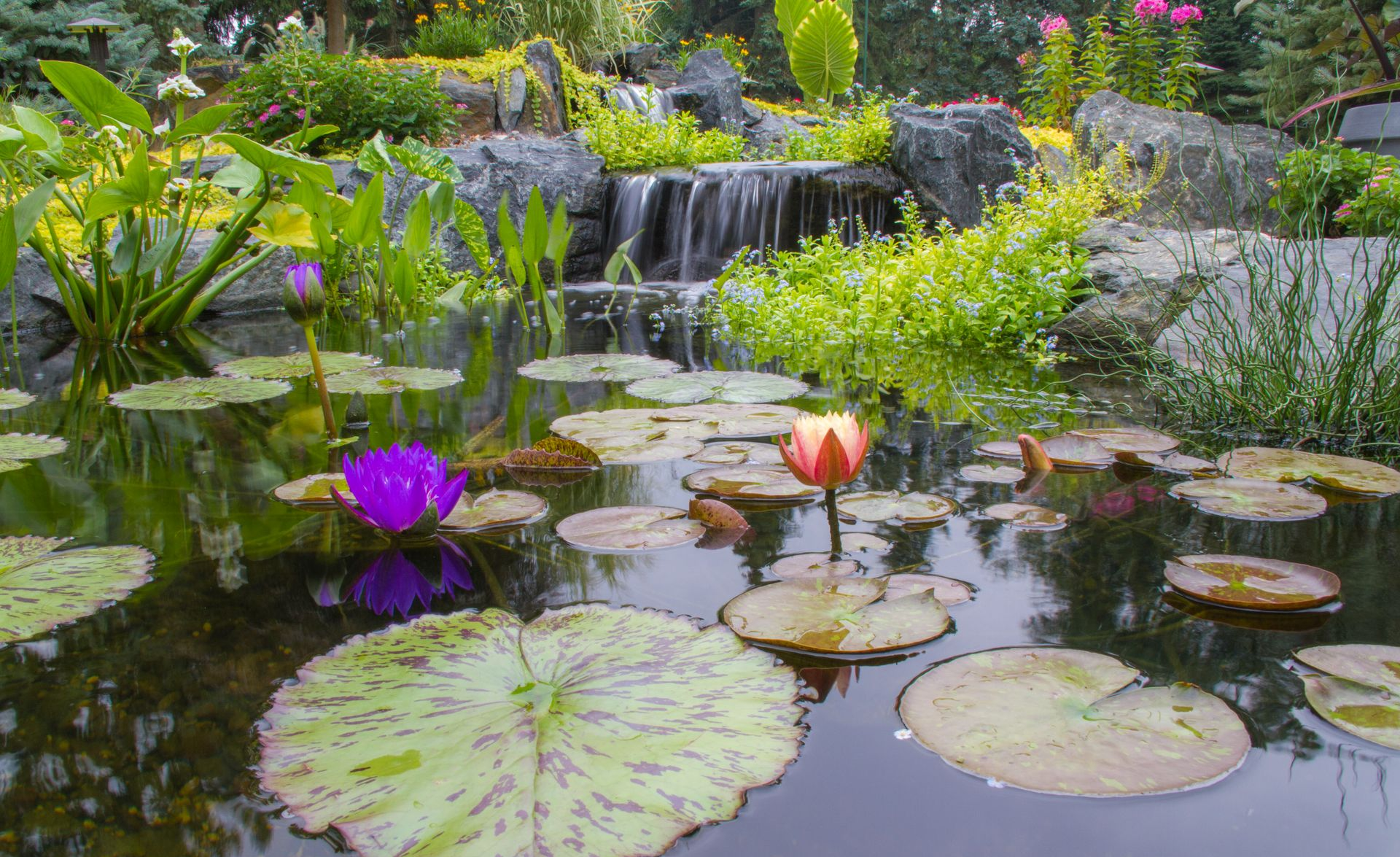
Looking after a pond doesn’t need to be complicated. With a little consistency and a few simple habits, you can keep your water clear, your plants thriving and your wildlife happy all year round. Here are the key things every pond owner should keep an eye on. 
February 2, 2026
A leaking pond is concerning, but most leaks can be found and fixed with a clear, step-by-step approach. Use the checks below to identify where the water is escaping and what to do next.